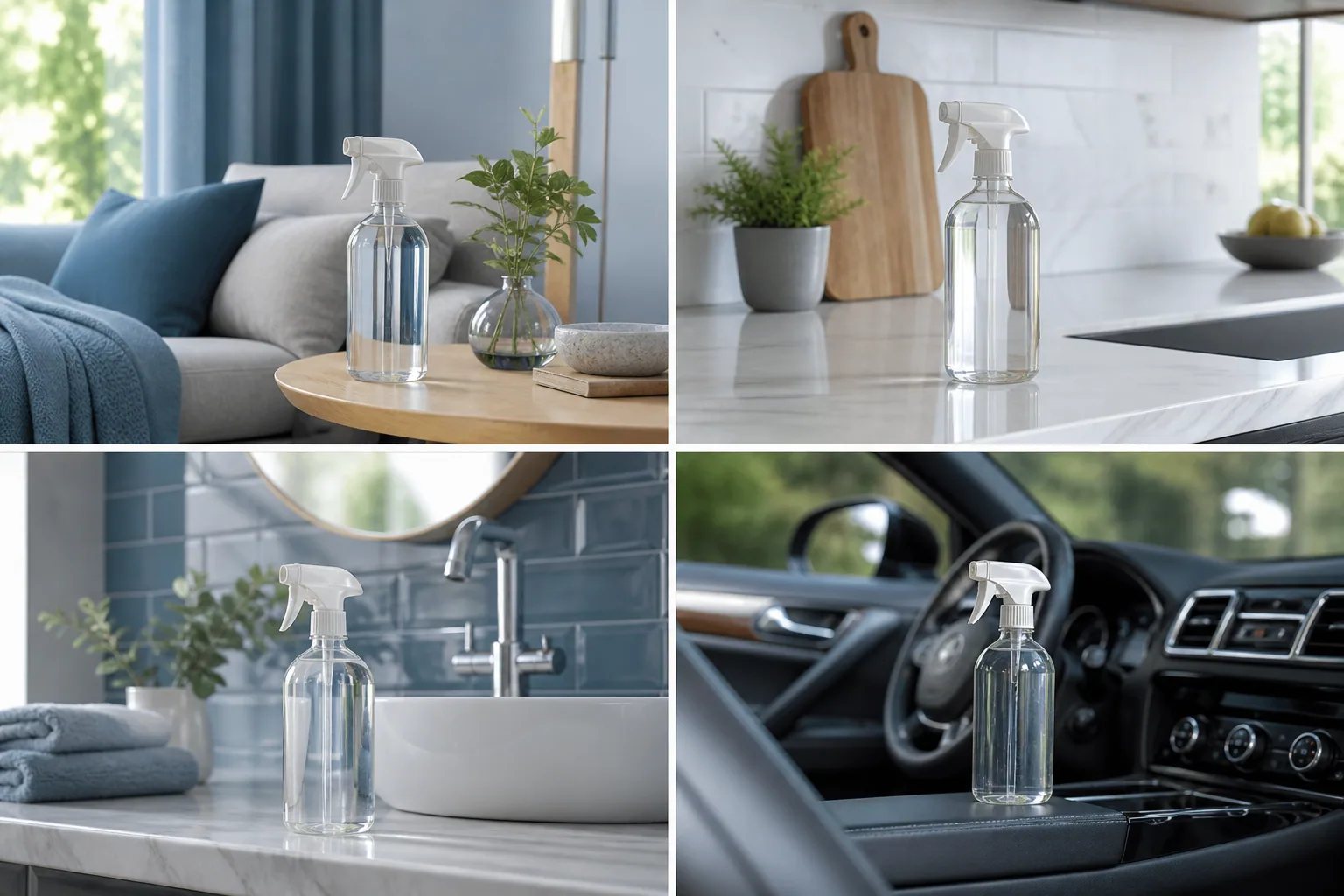
Home Care
Room and fabric refreshers, surface care, bathroom care and vehicle interiors.
View four examplesSource water-based and oil-based zinc ricinoleate odor neutralizer ingredients with practical formulation support for home care, pet care, textiles, hygiene and personal care products.
Free malodor molecules
Bound odor complex
Less available to volatilize
Product performance depends on formulation, dosage and application conditions. Technical guidance is available on request.
Core ingredients
Product-led information for formulators: clear positioning, application fit and the documents needed to move from evaluation to trial.

For water-rich systems

For oil-compatible systems

Multifunctional zinc complex
Quick comparison
| Product | Form | Best fit | Technical package |
|---|---|---|---|
| Water-based Zinc Ricinoleate | Aqueous / pre-solubilized | Alkaline aqueous evaluation; TDS use pH 9–12 | TDS / SDS / COA |
| Oil-based Zinc Ricinoleate | Oil-compatible carrier | Compatible ethanol, DPG or glycol ether solvent directions | TDS / SDS / COA |
| Zinc Amino Acid Complex | Water-soluble liquid complex | Application-specific evaluation | SDS / COA; TDS pending |
Water-based and oil-based refer to the carrier and compatible formulation system - not simply performance level. Exact solvent, solubility, recommended use level, pH range and packaging must be checked against the current TDS/SDS and the finished formula.
Applications
Tell us the odor source, product format, pH range and surfactant system. We will help narrow the grade and evaluation path.
Discuss your applicationRoom and fabric refreshers, surface care, bathroom care and vehicle interiors.
View four examples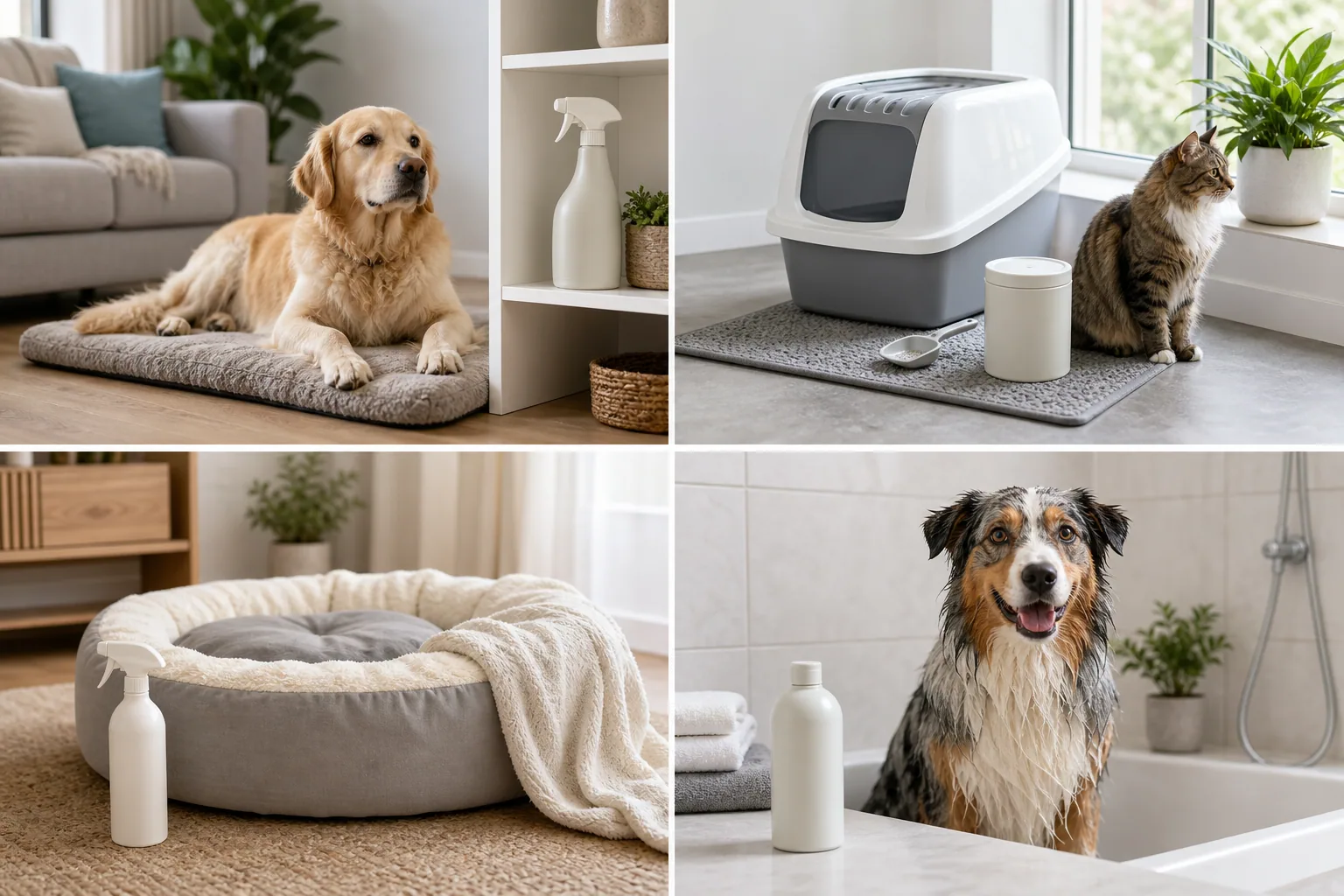
Pet-area and bedding spray evaluation, with exposure and surface compatibility review.
View four examples
Fabric refreshers, laundry additives, sportswear care and textile finishing.
View four examples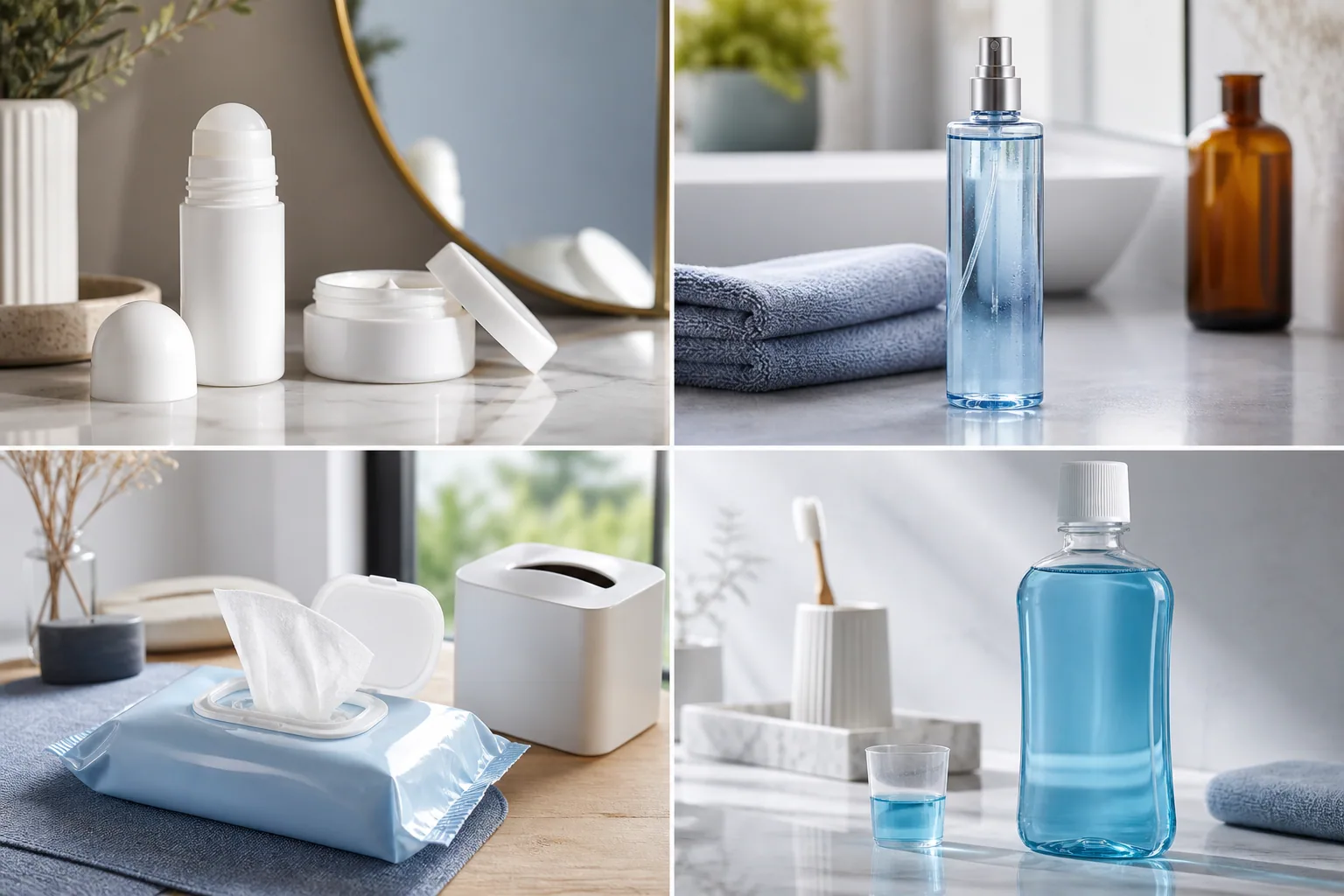
Deodorant, body spray, daily hygiene and oral-care formulation directions.
View four examplesSpray. Contact. Bind.
In a compatible finished spray, zinc ricinoleate interacts with selected malodor molecules inside the droplets, helping reduce their availability to return to the air.
Mechanism illustration, not an efficacy test or an eight-second performance claim. Results depend on the finished formula, dosage and application conditions.
How it works
Zinc-based odor-control actives interact with common malodor molecules, helping reduce the perception of persistent odors while leaving formulators room to design the final fragrance profile.
Define odor type, application and formula conditions.
Match active form and compatibility to the system.
Trial dosage and performance in the finished formula.
Formulation lens
Practical support
Share a base formula or target application. We can coordinate document review, sample evaluation and grade selection.
Choose your route
China Odor Control
Compare water/oil compatibility, share your application brief and request the relevant technical document path.
Start a formulation briefChina Odor Control
Build a focused odor-control ingredient line with product fit, application support and export coordination.
Discuss territory fitTechnical resources
Current documents are supplied for the selected product and destination market.
Specifications, use guidance and formulation notes.
Safety, handling and transport information.
Batch-specific quality documentation.
Classification and free-sale documentation when applicable.
Start an evaluation
Contact Alex with the application, odor source and target market. We will respond with the relevant grade, documents and sample path.